
What is GPS Tracking and How Does it Benefit Fleet Management?
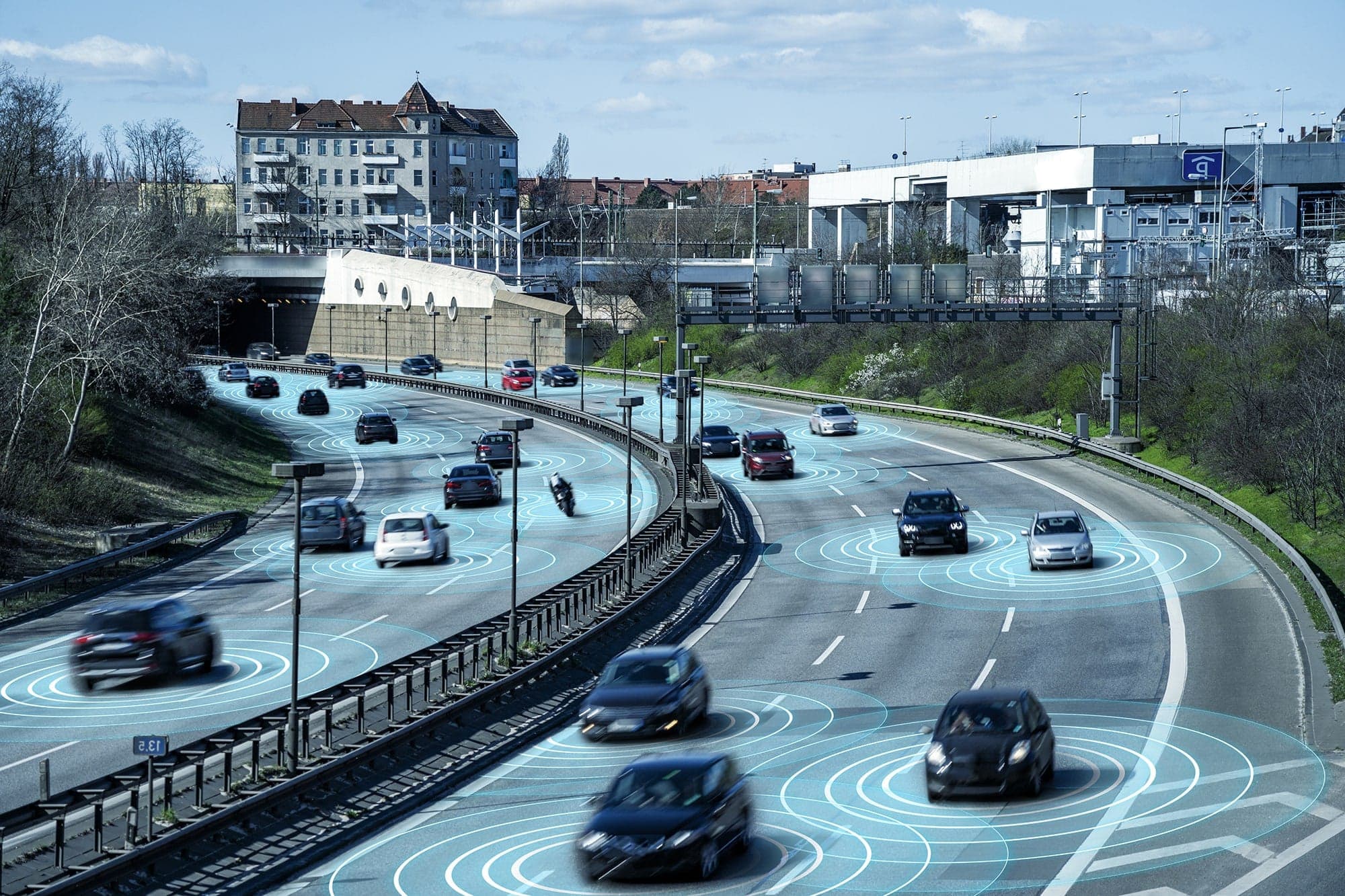
Businesses need real-time insights into their assets to stay competitive. One of the most valuable technologies making this possible is GPS tracking. But what exactly is GPS tracking, and how can it optimise fleet management?
Understanding GPS Tracking
GPS (Global Positioning System) is a satellite-based technology that allows for the precise location tracking of any equipped device. Whether it’s a personal vehicle or an entire fleet, it can provide real-time data on the whereabouts of assets. This technology has transformed how businesses manage their fleets, offering insights into everything from location to driver behaviour.
Top Benefits of GPS Tracking for Fleet Management
- Real-time Location Tracking
GPS tracking offers the ability to monitor the exact location of your fleet at any time. This allows fleet managers to make informed decisions and react quickly to unexpected situations, such as traffic delays or route changes. - Improved Fleet Efficiency
With real-time data, fleet managers can optimise routes, ensuring that drivers take the most efficient paths. This reduces fuel consumption and ensures timely deliveries, directly contributing to operational cost savings. - Enhanced Driver Safety
GPS systems can be integrated with telematics solutions to monitor driver behaviour, such as speeding or harsh braking. This encourages safer driving habits, ultimately reducing the risk of accidents and lowering insurance premiums. - Reduced Operational Costs
By optimising routes and monitoring vehicle usage, businesses can lower fuel costs and reduce wear and tear on vehicles. Real-time data also enables predictive maintenance, allowing companies to service vehicles before costly breakdowns occur. - Compliance and Reporting
Many industries require compliance with specific regulations. GPS systems can automate reports on vehicle usage, driver behaviour, and maintenance schedules, ensuring that businesses meet regulatory requirements with ease. - Better Customer Service
With GPS technology, businesses can provide customers with accurate delivery estimates and real-time updates. This level of transparency enhances customer trust and satisfaction.
How Does It Work?
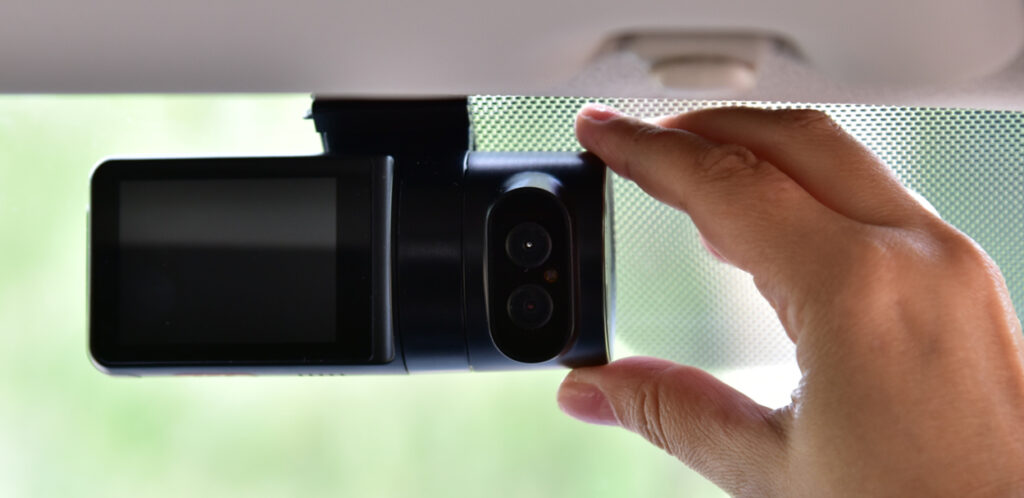
GPS tracking devices are installed in vehicles to collect data from multiple satellites. This information is then processed and displayed in a user-friendly format, often through a dedicated GPS fleet management platform. Businesses can monitor their vehicles in real-time, gaining insights into route efficiency, vehicle speed, idle time, and more.
The data gathered by the GPS system can also be stored and analysed over time to identify trends and patterns in fleet operations. This historical information helps fleet managers evaluate driver performance, track vehicle usage, and plan maintenance schedules more effectively. By utilising this data, companies can make long-term improvements, such as reducing fuel consumption, preventing vehicle wear and tear, and improving overall productivity. Additionally, automated reporting features make it easier to stay compliant with industry regulations and streamline administrative tasks.
Future of GPS Tracking in Fleet Management
As technology evolves, GPS tracking is likely to integrate further with AI and automation. Predictive analytics, powered by telematics and GPS, will allow businesses to anticipate traffic patterns, weather conditions, and even vehicle performance issues before they become problems. This will further streamline fleet management, enabling companies to operate more efficiently and profitably.
GPS tracking is no longer just a tool for finding locations—it’s a critical asset for any business that relies on vehicles to operate. From optimising routes to improving driver safety, it is revolutionising fleet management. If you’re looking to improve the efficiency, safety, and profitability of your fleet, investing in GPS tracking technology is the way forward.
Discover how our telematics solutions can streamline your operations and boost your bottom line. Book a demo today to see the benefits in action and take the first step towards optimising your fleet management.