
From reducing accidents to lowering insurance costs, AI dash cams are helping fleets take control of risk in real time.
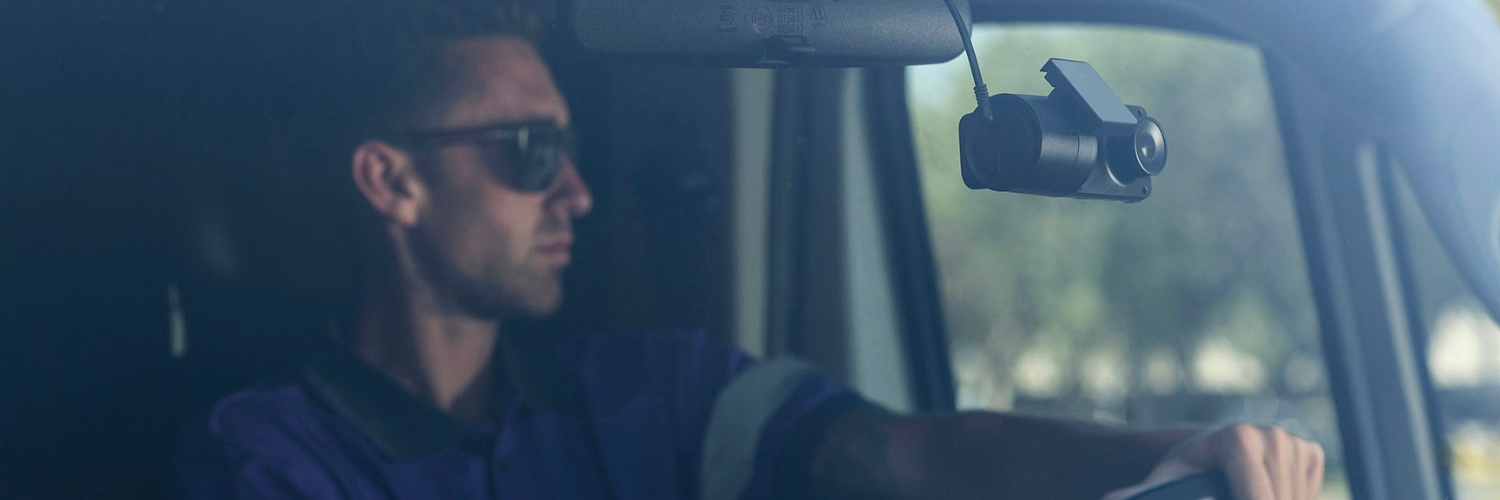
Fleet safety technology is evolving rapidly. While traditional dash cams once provided a major step forward in visibility, modern fleets are now shifting towards AI dash cams to improve safety, reduce risk and drive operational efficiency.
The difference is simple. Traditional cameras record incidents. AI dash cams help prevent them.
The limitations of traditional dash cams in fleet safety
Traditional dash cams have long been used across fleets to capture footage and provide evidence after an incident. They offer visibility, but they are inherently reactive.
Footage must be manually reviewed, often taking hours of administrative time. Drivers receive feedback long after the event has occurred, limiting the ability to influence behaviour in real time. As a result, traditional dash cams support investigation, but they do little to actively improve driver performance or reduce incidents as they happen.
For fleets focused on improving safety outcomes, this delay creates a significant gap between insight and action.
How AI dash cams are transforming modern fleets
AI dash cams represent the next generation of video telematics. By combining computer vision with telematics data, these systems analyse driver behaviour in real time and provide instant feedback inside the vehicle.
AI-powered driver monitoring systems can detect key risk indicators such as distracted driving, fatigue, harsh braking and unsafe following distances. When these behaviours are identified, drivers receive immediate in-cab alerts, allowing them to correct their actions before a situation escalates.
This shift from reactive recording to proactive prevention is why AI dash cams for fleets are becoming the new standard.
Real-time coaching and its impact on driver behaviour
One of the most significant advantages of AI fleet safety technology is real-time coaching. Instead of reviewing incidents days later, fleet managers can rely on systems that intervene in the moment.
This immediate feedback loop helps drivers build safer habits over time. Rather than being corrected retrospectively, behaviour is adjusted during the journey itself.
Fleets that adopt AI dash cams often see measurable improvements in driver performance, with reductions in risky behaviours and fewer on-road incidents. The value comes not just from the data collected, but from how quickly that data is used to influence outcomes.
The business benefits of AI dash cams for fleets
Beyond safety, AI dash cams deliver clear commercial benefits. By automatically identifying and prioritising high-risk events, they remove the need for manual video review, reducing operational workload and saving time.
The integration of video telematics also strengthens a fleet’s ability to defend against false claims, providing clear, contextual evidence when incidents occur. This can lead to lower insurance premiums and improved claims outcomes.
At the same time, fewer incidents mean reduced vehicle downtime, lower repair costs and improved fleet availability. Over time, this contributes to a lower total cost of ownership and stronger overall fleet performance.
A shift from reactive safety to predictive risk management
The rise of AI dash cams reflects a broader shift in how fleets approach safety. It is no longer enough to simply record and review incidents. Modern fleets are adopting predictive, data-driven approaches that focus on preventing risk before it materialises.
AI fleet safety systems enable continuous monitoring, real-time intervention and ongoing performance improvement. Safety becomes embedded into daily operations rather than treated as a post-incident process.
This shift is redefining what effective fleet safety looks like.
How LEVL supports AI-powered fleet safety
At LEVL, we help fleets implement AI dash cams as part of a connected safety ecosystem. By integrating leading video telematics solutions such as Mantis, Lytx and VisionTrack with Geotab’s telematics platform, we provide a unified view of driver behaviour, vehicle performance and risk.
This approach enables fleets to move beyond basic monitoring and towards predictive risk intelligence. With real-time insights and automated coaching, organisations can take a proactive approach to safety while improving operational efficiency.
Conclusion: the future of fleet safety technology
Traditional dash cams laid the foundation for fleet visibility, but AI dash cams are defining the future of fleet safety.
Fleets that continue to rely solely on reactive systems risk falling behind. Those adopting AI-powered video telematics are gaining the ability to prevent incidents, improve driver behaviour and reduce operational costs.
Ready to prevent accidents before they happen?
Book a demo and discover how modern fleets are using AI-powered video telematics to reduce collisions, improve driver behaviour and lower operational costs.